 Punjab
Cultivating a sustainable future: Punjab’s agricultural sector embraces clean energy
Punjab, the granary of India, stands at a pivotal juncture in its agricultural journey. Amidst rising energy costs and growing environmental concerns, the transition to renewable and clean energy presents a unique opportunity for Punjab to not only modernize its agricultural practices but also contribute to a greener and more sustainable future of the nation.
Punjab’s vast expanse of land and favorable climatic conditions offer an abundance of renewable energy resources, including solar, wind, and biomass. The adoption of these energy sources can significantly reduce Punjab’s reliance on fossil fuels, thereby lowering energy costs for farmers and mitigating greenhouse gas emissions.
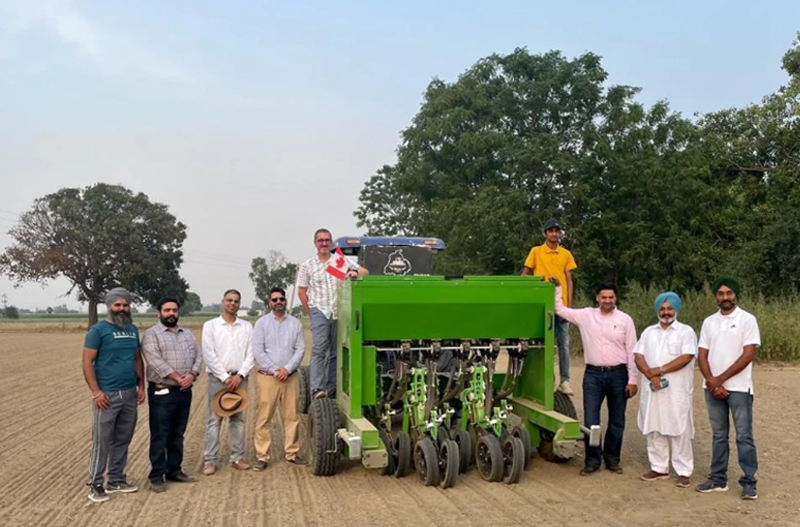
Solar energy, in particular, holds immense promise for Punjab’s agriculture sector. Solar-powered irrigation systems can provide farmers with a reliable and cost-effective energy source, reducing their dependence on the grid and alleviating the burden of electricity subsidies. Moreover, solar power can be used to operate farm machinery, further enhancing energy efficiency and reducing overall costs.
Wind energy also presents significant opportunities for Punjab. With its strong wind potential, the state can harness wind power to generate electricity for both agricultural and domestic purposes. This can not only contribute to energy security but also create employment opportunities in the wind energy sector.
Biomass, derived from agricultural waste such as crop residues, can be converted into bioenergy, providing a sustainable and renewable energy source. Biogas plants, which convert organic waste into biogas and biofertilizer, can offer farmers a valuable source of clean energy while also reducing the environmental impact of agricultural waste disposal.
The transition to renewable and clean energy is inextricably linked to the adoption of sustainable agricultural practices. Sustainable agriculture encompasses a range of practices that aim to optimize crop yields, conserve natural resources, and minimize environmental impact.
Precision agriculture, which utilizes technology to monitor and manage crop growth, can help farmers optimize resource use and reduce waste. Practices such as soil testing, nutrient management, and water conservation can significantly improve soil health, crop yields, and water use efficiency.
Organic farming, which eschews the use of synthetic pesticides and fertilizers, promotes biodiversity and protects human health. Organic produce often commands higher market prices, providing farmers with additional economic benefits.
Agroforestry, the integration of trees and shrubs into agricultural landscapes, can enhance soil fertility, control erosion, and provide additional income sources for farmers. Trees can also provide shade for livestock, reducing heat stress and improving animal health.
The transition to renewable and clean energy, coupled with the adoption of sustainable agricultural practices, holds immense promise for Punjab’s agricultural sector. These measures can not only reduce energy costs, improve productivity, and enhance environmental sustainability but also create new employment opportunities and foster economic growth.
As Punjab embarks on this transformative journey, it is crucial to empower farmers with the knowledge, skills, and resources necessary to embrace renewable energy and sustainable practices. Government support, financial incentives, and capacity-building programs are essential to ensure that Punjab’s agricultural sector transitions smoothly to a greener and more resilient future.
By embracing clean energy and sustainable practices, Punjab can not only preserve its rich agricultural heritage but also pave the way for a brighter future, ensuring food security, environmental sustainability, and economic prosperity for generations to come.
(Image and text courtesy: Khalsavox.com)
Support Our Journalism
We cannot do without you.. your contribution supports unbiased journalism
IBNS is not driven by any ism- not wokeism, not racism, not skewed secularism, not hyper right-wing or left liberal ideals, nor by any hardline religious beliefs or hyper nationalism. We want to serve you good old objective news, as they are. We do not judge or preach. We let people decide for themselves. We only try to present factual and well-sourced news.