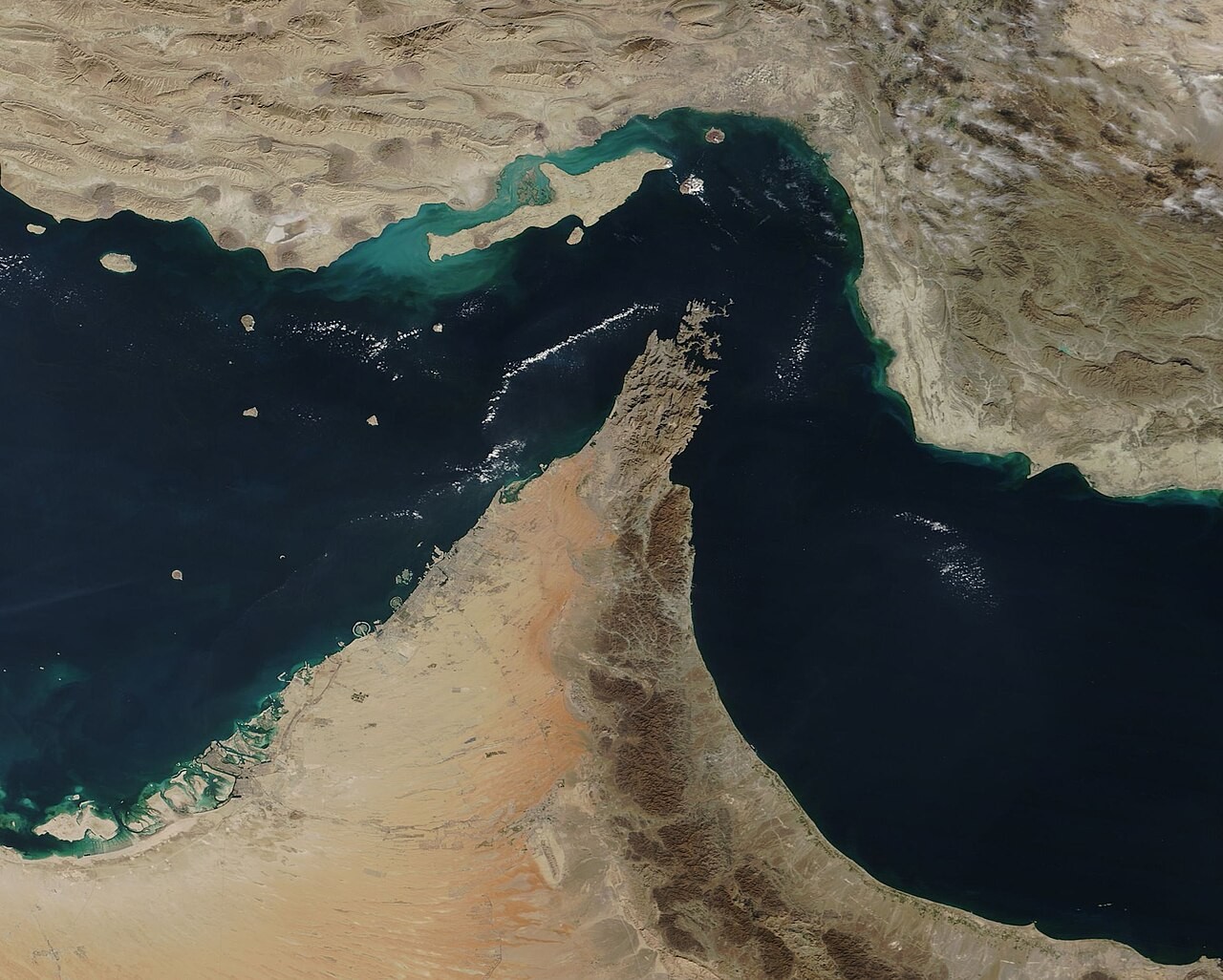
Hormuz under siege, but Indian vessels keep moving: Know how?
Even as conflict in the Middle East severely disrupted maritime movement through the Strait of Hormuz, India has managed to keep several of its linked vessels moving through one of the world’s most critical energy routes.
The narrow waterway between Iran and Oman carries nearly 20 per cent of global oil and natural gas supplies.
Since Iran entered the war on February 28, the Strait has effectively remained under blockade, triggering concerns over fuel prices, global shipping disruptions and economic instability across Asia.
Although active fighting paused after the April 9 ceasefire, maritime traffic through the Strait continues to face heavy disruption.
India maintains ship movement through high-risk route
Despite rising security threats, Indian-linked ships have continued crossing the Strait, helping maintain the country’s energy and supply chains.
The development is particularly significant as Iran holds a major strategic advantage over the passage and has repeatedly targeted vessels following the February 28 US-Israeli strikes that sparked the conflict.
Speaking during an inter-ministerial briefing on Friday, officials from the Ministry of Ports, Shipping and Waterways explained that India has been closely coordinating maritime operations through multiple ministries.
'Coordination through MEA': Shipping ministry
Opesh Kumar Sharma, Director of Shipping, said operational coordination was being handled through the Ministry of External Affairs, though he avoided disclosing sensitive details.
“In terms of how we coordinate with India, Iran, how do we decide the priority, I would not like to tell you how we coordinate for obvious reasons. So we coordinate through MEA, and that is where we are,” Sharma said.
He added that vessel priorities are determined jointly with ministries responsible for energy and essential commodities.
According to Sharma, the process involves coordination with the Ministry of Petroleum and Natural Gas and the Ministry of Fertilisers to decide which ships receive movement priority.
13 Indian vessels in Hormuz region
Officials said around 13 Indian-flagged vessels are currently operating in the Hormuz region.
These include:
- One LPG tanker
- Five crude oil tankers
- One chemical or product tanker
- Three container ships
- Two bulk carriers
- One dredger
India also remains among the countries with the highest number of vessels transiting the Strait despite escalating tensions.
The Indian-linked ships that have crossed the route since February 28 include Shivalik, Nanda Devi, Jag Laadki, Pine Gas, Jag Vasant, BW Tyr, BW Elm and Green Sanvi.
Concerns over public ship tracking
Officials were also questioned about whether publicly accessible ship-tracking platforms could pose security risks during the crisis.
Sharma said the tracking systems are commercial applications available through subscription services.
“With respect to ship data tracker, these are commercial applications. I believe people can take subscription and it’s open to all,” he said.
Asked whether such information could be misused, Sharma replied that any publicly available data could potentially be used in different ways depending on intent, but added that the information has also helped authorities and observers monitor ship movements during the conflict.
Global shipping traffic through the Strait has slowed sharply since Iran’s retaliation against the February 28 strikes, with several international operators avoiding the route amid fears of further escalation.
Support Our Journalism
We cannot do without you.. your contribution supports unbiased journalism
IBNS is not driven by any ism- not wokeism, not racism, not skewed secularism, not hyper right-wing or left liberal ideals, nor by any hardline religious beliefs or hyper nationalism. We want to serve you good old objective news, as they are. We do not judge or preach. We let people decide for themselves. We only try to present factual and well-sourced news.
Support objective journalism for a small contribution.