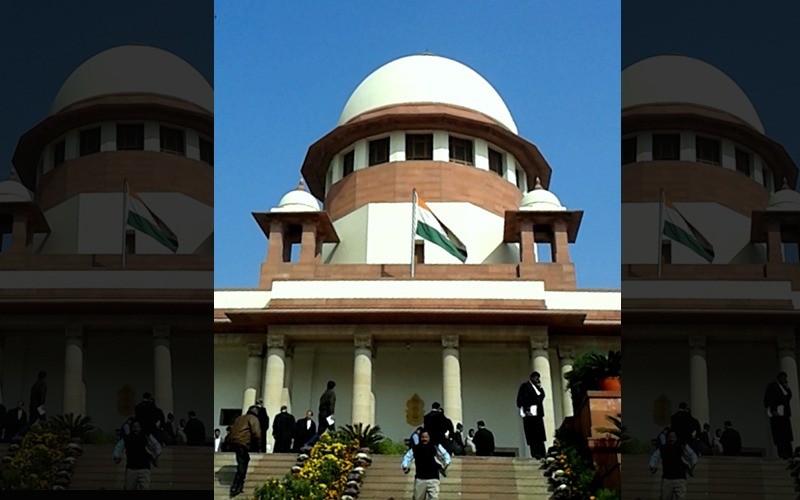
Waqf Law comes into effect, Supreme Court to hear petitions against it on April 16
New Delhi/IBNS: The Supreme Court will hear a batch of petitions filed against the Waqf Law, which has already come into force, on April 16, media reports said.
However, the government has filed a caveat in the top court, which states that no orders should be passed without hearing its perspective.
So far, 15 petitions have been filed on the contentious bill, which was passed by the Parliament last week.
The bill has faced multiple reservations from the Opposition, and sections of the Muslim community have raised objections on several amendments.
Most of these reservations were raised during the marathon 12-plus hour debate on the bill in Lok Sabha and Rajya Sabha on Wednesday and Thursday last week.
After being passed in Parliament, the Waqf (Amendment) Bill has got the assent of the President and has come into force.
The contentious provisions in the amended law include mandatory inclusion of two non-Muslim members in the Central Waqf Council and Waqf Boards.
There is also the clause that individuals who practiced Islam for at least five years can only donate properties to Waqf.
Besides, under the proposed law, government property identified as Waqf will cease to belong to it, and the local Collector will determine its ownership.
The government has, however, assured that the law is about property and its management, not religion.
The Waqf bill, the BJP had declared, was developed after consulting a large section of people and has received the support of non-Muslim minorities.
Support Our Journalism
We cannot do without you.. your contribution supports unbiased journalism
IBNS is not driven by any ism- not wokeism, not racism, not skewed secularism, not hyper right-wing or left liberal ideals, nor by any hardline religious beliefs or hyper nationalism. We want to serve you good old objective news, as they are. We do not judge or preach. We let people decide for themselves. We only try to present factual and well-sourced news.
Support objective journalism for a small contribution.