


Caste systems violate human rights of millions worldwide – new UN expert report
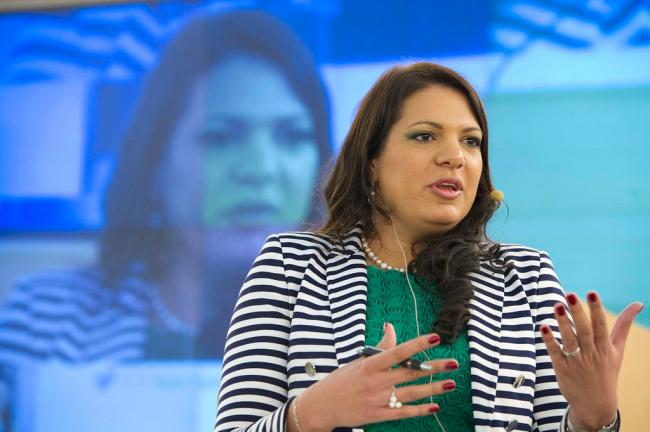
“This is a global problem affecting communities in Asia, Africa, Middle East, the Pacific region and in various diaspora communities,” said UN Special Rapporteur Rita Izsák-Ndiaye in a news release, stressing that “caste-based discrimination and violence goes against the basic principles of universal human dignity and equality, as it differentiates between 'inferior' and 'superior' categories of individuals which is unacceptable.”
Izsák-Ndiaye warned that discrimination leads to extreme exclusion and dehumanisation of caste-affected communities, who are often among the most disadvantaged populations, experience the worst socioeconomic conditions and are deprived of or severely restricted in the enjoyment of their civil, political, economic, social and cultural rights.
The term 'caste' refers to a strict hierarchical social system often based on notions of purity and contamination. The expert report describes how people from 'lower castes' are often limited to certain occupations which are often deemed 'polluting' or menial by others, including manual scavenging, sweeping and disposal of dead animals.
“Unfortunately, in many cases, attempts to challenge these prohibitions or the unlawful consequences derived from caste systems, which are hereditary by nature, result in violence against caste-affected individuals and retaliation against their communities.” the Special Rapporteur said.
She emphasised that caste-affected women and girls are often the victims of caste-based and sexual violence, trafficking and are especially vulnerable to early and forced marriage, bonded labour and harmful cultural practices. Violence and the threat of violence against them frequently go unreported, allowing a culture of invisibility, silence and impunity.
“The shadow of caste and its stigma follows an individual from birth till death, affecting all aspects of life from education, housing, work, access to justice, and political participation” Izsák-Ndiaye said. “In many societies discussing these practices is taboo; we need not just legal and political responses but ways to change the mindset of individuals and the collective conscience of local communities.”
There have however been some positive developments, such as constitutional guarantees, legislation and dedicated institutions to monitor and overcome caste-based discrimination.
“I hope that my report will be used as an advocacy tool in supporting the efforts of caste-affected communities and others who are tirelessly working to relegate caste discrimination to history,” the Special Rapporteur concluded.
Independent experts or special rapporteurs are appointed by the Geneva-based UN Human Rights Council to examine and report back on a country situation or a specific human rights theme. The positions are honorary and the experts are not UN staff, nor are they paid for their work.
Photo: Violaine Martin
Support Our Journalism
We cannot do without you.. your contribution supports unbiased journalism
IBNS is not driven by any ism- not wokeism, not racism, not skewed secularism, not hyper right-wing or left liberal ideals, nor by any hardline religious beliefs or hyper nationalism. We want to serve you good old objective news, as they are. We do not judge or preach. We let people decide for themselves. We only try to present factual and well-sourced news.
Support objective journalism for a small contribution.


