


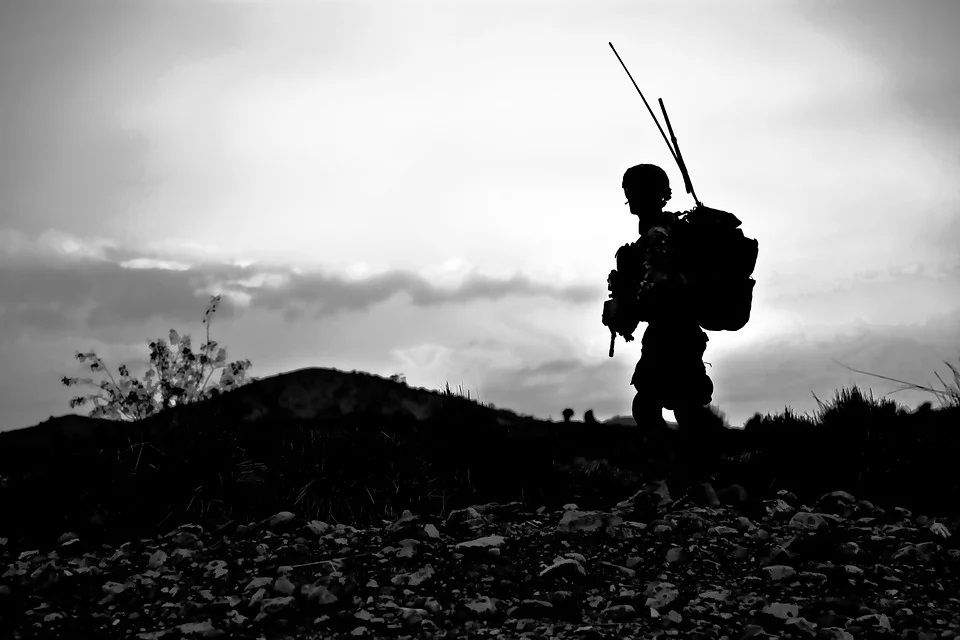
 Afghanistan peace
China prepares for security threat as US troops exit war-ravaged Afghanistan
China is feeling concerned that the exit of American troops from Afghanistan might create a security vacuum in the war-ravaged nation and pose a threat to its Belt and Road Initiative.
with the Sept. 11 deadline for the Americans to withdraw getting closer, China will no longer be able to rely on a U.S. presence to quell some of the security threats posed by Afghanistan on its southwestern border, reports Nikkei Asia.
"China was a key beneficiary of the U.S. force presence in Afghanistan, and that will soon become obvious," Lisa Curtis, director of the Indo-Pacfic security program at the Center for New American Security, a Washington-based think tank, told the newspaper.
"With the full withdrawal of U.S. and NATO forces from Afghanistan, China will have to find a way to protect its own [counterterrorism] interests," Lisa Curtis said.
Recently, the Chinese Embassy in Afghanistan had asked its nationals to leave the country amid a resurgence of Taliban forces.
China's interests and investment in Central Asia have grown significantly in the years since the U.S. invaded Afghanistan shortly after 9/11, as have terrorism threats by groups in the region, reports Nikkei Asia.
Analysts told the newspaper Beijing has more or less been ambivalent about Afghanistan, but the vacuum left by the U.S. could require China to flex more diplomatic and interventionist muscle than it has typically displayed.
China has been engaging with the Taliban both directly and through both parties' close relationship with Pakistan. Wary of its potential to harbor anti-Chinese extremist groups, it is unlikely Beijing will ever be entirely comfortable with the Taliban, but the pragmatic option may be to work with the group in the hopes of securing agreements to not harbor such extremists, the newspaper reported.
The relationship with the Taliban could also give China an expanded influence in the region, where it has already established a major presence through its Belt and Road Initiative. The hopes for any BRI or other investments in Afghanistan in the near future are slim, but instability in Afghanistan could spill over into surrounding states where China does have ongoing projects, the newspaper added in its report.
Support Our Journalism
We cannot do without you.. your contribution supports unbiased journalism
IBNS is not driven by any ism- not wokeism, not racism, not skewed secularism, not hyper right-wing or left liberal ideals, nor by any hardline religious beliefs or hyper nationalism. We want to serve you good old objective news, as they are. We do not judge or preach. We let people decide for themselves. We only try to present factual and well-sourced news.
Support objective journalism for a small contribution.


