


Civil conflict and unpredictable weather cast ‘long shadow’ on food security’ in 2016 – UN
The Crop Prospects and Food Situation report also projects favourable growing conditions for crops, and upcoming robust grain harvests, however, due to the lean seasons before the crops have matured in some regions, the hunger will most likely intensify.
Affected by El Niño, the number of people requiring food assistance in Southern Africa is expected to increase significantly, with very high stunting child rates in Madagascar, Malawi, and Mozambique areas.
El Niño is the term used to describe the warming of the central to eastern tropical Pacific that occurs, on average, every three to seven years. It raises sea surface temperatures and impacts weather systems around the globe so that some places receive more rain while others receive none at all, often in a reversal of their usual weather pattern.
Conflicts cast a long shadow on food security
The report has identified the root causes of food crises, such as shortfalls in food productions, lack of access due to low incomes, high prices, and local conflicts, including refugee movements.
Civil conflicts also led to loss and depletion of households’ productive assets, and to security concerns that interrupt farming activities. In part of Sudan, the ongoing conflict has reduced the ability to engage in agriculture, which can harm most vulnerable communities.
In addition, according to the report, the ongoing conflicts led to 9.4 million people in Syria in need of food assistance, more than eight million people in Afghanistan, and above eight million in Nigeria.
The weather has also affected many countries, especially Africa. As a result of droughts and El Niño, there is a decline in aggregated cereal production, and a decrease in maize output in Southern Africa, which led to harsh food conditions.
Agricultural trends appear poised to improve after rough 2016
Poor harvests triggered sharply higher prices for staple maize in Malawi, where 6.5 million people are expected to be food insecure during the upcoming lean period. However, preliminary estimates point to a 27 percent increase in maize plantings for South Africa's 2017 crop, by far the region's largest producer, said FAO.
While much of Asia benefited from robust food production in 2016, led by a sharp recovery in India, the impact of long-running conflicts in several Near Eastern countries continues to severely depress agricultural production despite generally beneficial weather conditions for staple grain crops. In Latin America and the Caribbean, expectations of a production rebound in Central America in 2016 are welcome, following the drought-affected outputs in the previous year.
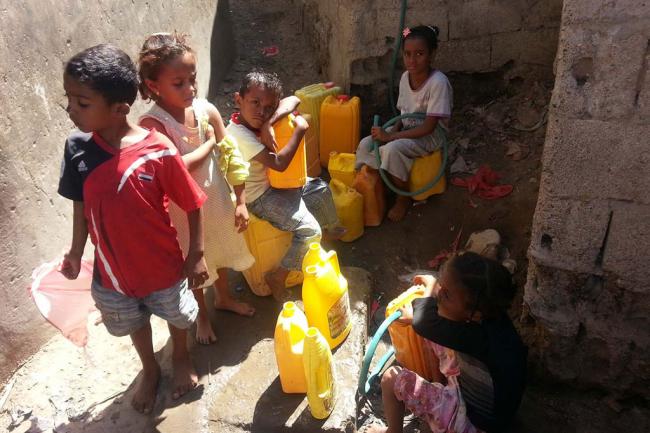
Photo: WHO Yemen
Source: www.justearthnews.com
Support Our Journalism
We cannot do without you.. your contribution supports unbiased journalism
IBNS is not driven by any ism- not wokeism, not racism, not skewed secularism, not hyper right-wing or left liberal ideals, nor by any hardline religious beliefs or hyper nationalism. We want to serve you good old objective news, as they are. We do not judge or preach. We let people decide for themselves. We only try to present factual and well-sourced news.
Support objective journalism for a small contribution.


