


FAO calls for $20 million to halt spread of 'virulent' avian flu in West Africa
“Based on what we do know, there is a real risk of further virus spread,” FAO quoted Juan Lubroth, chief of the agency’s Animal Health Service Division as saying in a press release.
He said, “Urgent action is needed to strengthen veterinary investigation and reporting systems in the region and tackle the disease at the root, before there is a spillover to humans.”
Outbreaks of the virus have been reported in poultry farms, markets and family holdings in Nigeria, Burkina Faso, Niger, Côte d’Ivoire and Ghana.
FAO said the outbreak comes as countries across West Africa, home to 330 million people, are still recovering from, and in some cases still battling, Ebola, which has mainly affected Guinea, Liberia and Sierra Leone.
Previous strains of the virus – known to be highly virulent to poultry and capable of causing illness and fatalities in humans – have been circulating in Asia since the early 2000s and in Egypt for almost 10 years. The H5N1 strain has caused the death of tens of millions of poultry and losses of tens of billions of dollars.
Avian flu in West Africa could trigger a mass “die-off” of chicken – a nutritious and inexpensive source of food for many people – with detrimental impacts on diets and on the economy of the region, exacerbating an already difficult situation, the agency said.
“We’re looking at a disease – H5N1 – that has already spread to five countries in six months. We have to make a concerted effort to stop it in its tracks and we have to do it now,” Lubroth said.
FAO is appealing for $20 million for prevention and response to bolster weak veterinary systems, improve the capabilities of local laboratories and putting FAO specialists on the ground in affected and at-risk countries.
Because the disease can be transmitted to humans and is considered highly lethal, FAO said it is working closely with the World Health Organization (WHO) on country assessments, contingency plans, offering technical assistance and investigating potential flu cases and the source of infection.
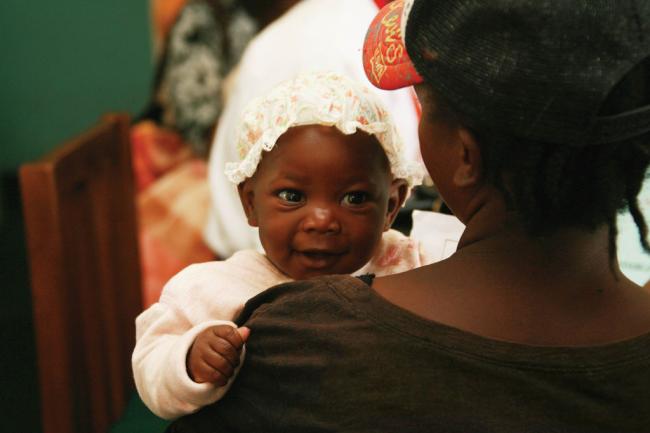
Photo: FAO/Sia Kambou
Support Our Journalism
We cannot do without you.. your contribution supports unbiased journalism
IBNS is not driven by any ism- not wokeism, not racism, not skewed secularism, not hyper right-wing or left liberal ideals, nor by any hardline religious beliefs or hyper nationalism. We want to serve you good old objective news, as they are. We do not judge or preach. We let people decide for themselves. We only try to present factual and well-sourced news.
Support objective journalism for a small contribution.


