


 West Asia
‘Global economy facing major threat’: IEA chief warns as West Asia conflict persists
No country would be immune to the global economic fallout as the world faces a “major threat” from the energy crisis triggered by the West Asia conflict, International Energy Agency (IEA) chief Fatih Birol said on Monday, according to media reports.
Comparing the current turmoil with the oil shocks of the 1970s and the impact of Russian invasion of Ukraine, Birol stressed the need for coordinated global action to contain the crisis, warning that prolonged instability would affect all countries.
Speaking at the National Press Club in Australia, Birol said, as quoted by The Times of India, “This crisis as things stand is now two oil crises and one gas crash put all together.”
“The global economy is facing a major, major threat today, and I very much hope that this issue will be resolved as soon as possible. No country will be immune to the effects of this crisis if it continues to go in this direction. So there is a need for global efforts,” he added.
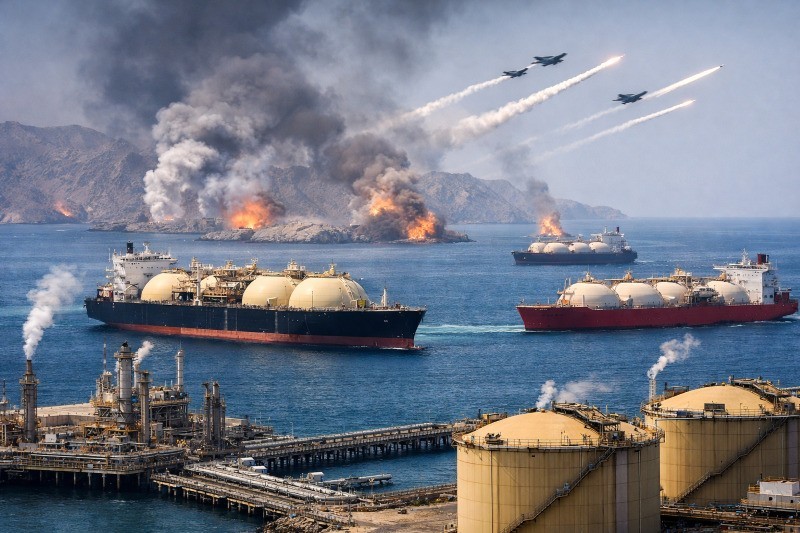
Meanwhile, Donald Trump has sharply escalated tensions in West Asia by issuing a strong warning to Iran, demanding that it reopen the Strait of Hormuz within a fixed timeframe.
He warned that failure to comply could trigger direct US strikes, including targeting Iran’s critical energy infrastructure such as power plants. The threat marks one of the most aggressive postures in recent months and signals a potential shift from diplomatic pressure to military action.
In response, Iran has issued an equally strong counter, warning that any US attack would lead to severe retaliation. Tehran has threatened to completely shut down the Strait of Hormuz—one of the world’s most crucial oil transit routes—and target key infrastructure across the Gulf region, including energy and water facilities. Iranian officials have indicated there would be “no restraint” if conflict breaks out, raising fears of a broader regional escalation.
The standoff has heightened global concerns as the Strait of Hormuz handles a significant share of the world’s oil shipments. Any disruption could trigger a sharp spike in energy prices, destabilise global markets, and impact economies worldwide.
The escalating war of words between Washington and Tehran is already being reflected in volatility across stock markets and commodities, underscoring the high stakes involved.
Support Our Journalism
We cannot do without you.. your contribution supports unbiased journalism
IBNS is not driven by any ism- not wokeism, not racism, not skewed secularism, not hyper right-wing or left liberal ideals, nor by any hardline religious beliefs or hyper nationalism. We want to serve you good old objective news, as they are. We do not judge or preach. We let people decide for themselves. We only try to present factual and well-sourced news.
Support objective journalism for a small contribution.


