


 IMF loan
IMF lays 'tough conditions' to release $1.1 billion to cash-strapped Pakistan
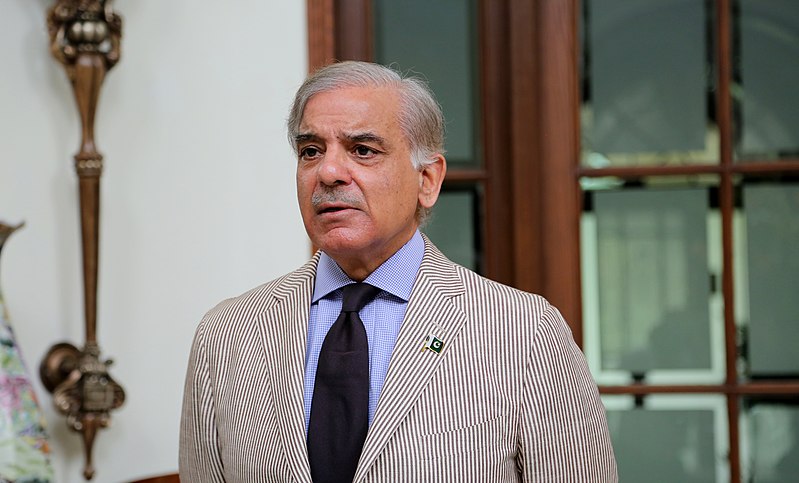
Islamabad: The International Monetary Fund (IMF) has laid a string of “tough conditions” to bail Pakistan out of its spiralling financial crisis, Prime Minister Shehbaz Sharif said, media reported.
The IMF has completed the ninth review of Pakistan's economy, paving the way for financial aid of over $1.1 billion from the global lender as well as bilateral loans from other nations and institutions.
However, IMF wants Pakistan to narrow its massive fiscal deficit, the gap between its expenses and revenues, reported The News International newspaper.
Before lending the money, IMF wants to be satisfied with the country's handling of the economic crisis.
Pakistan’s fiscal situation is in doldrums with foreign exchange reserves shrinking by 16.1 percent to $3.09 billion at the end of the last fiscal week, the lowest in nearly 10 years.
Amid the existing difficulties, the South Asian nation has only a handful of choices to increase revenues.
One of them is to raise the petroleum levy by 20-30 rupees a litre. But that will push up the current 50 rupees to 70-80 rupees.
On January 29, the Pakistan government hiked the price of petrol and diesel by a record Rs 35 per litre, adding to the woes of the people already grappling with high prices.
The price of kerosene oil and light diesel oil was also increased by Rs 18.
Another consideration is to charge a 17 percent goods and services tax (GST) on petroleum, oil, and lubricant (POL) products. "... Or increasing the GST rate by 1 percent from 17 to 18 percent through a presidential ordinance," the newspaper reported quoting unnamed sources.
Pakistan’s government may consider raising the federal excise duty rate on sugary beverages up to 17 percent from 13 percent through a mini-budget.
The Federal Board of Revenue of Pakistan has suggested raising the excise duty on cigarettes.
Amid the pressure to reduce spending and pump up revenues, the revenue board has sought information about the assets of higher-paid civil servants.
This information will be shared between the Federal Board of Revenue and banks, media reports said.
Support Our Journalism
We cannot do without you.. your contribution supports unbiased journalism
IBNS is not driven by any ism- not wokeism, not racism, not skewed secularism, not hyper right-wing or left liberal ideals, nor by any hardline religious beliefs or hyper nationalism. We want to serve you good old objective news, as they are. We do not judge or preach. We let people decide for themselves. We only try to present factual and well-sourced news.
Support objective journalism for a small contribution.


