


 Nepal
Nepal
Nepal fails to procure enough oxygen concentrators
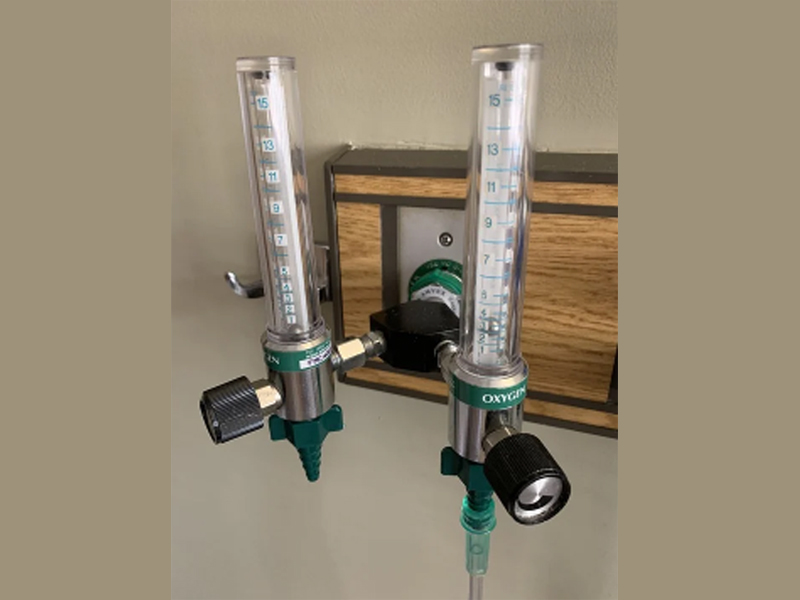
Last week the Nepal government issued guidelines for establishing and operating oxygen cylinders in districts, mandating a stock of oxygen concentrators sufficient for 20 percent of the hospital beds in each district. However, the existing supply is not enough for maintaining the threshold set up by the government.
Authorities envisioned the oxygen concentrator bank as a store to manage the demand, supply, collection, distribution, and management of the equipment. The government plans to establish such banks as buffer stock at the Department of Health Services, provincial, and district levels.
“The threshold was fixed at 20 percent considering the demand for oxygen at hospitals during normal times,” Krishna Prasad Paudel, the spokesperson of Nepal’s Health Ministry, was quoted as saying by The Kathmandu Post.
“But, the existing supply of oxygen concentrators may not be enough for meeting this threshold at all the hospitals,” he added.
By mid-June, the government distributed around 2950 oxygen concentrators to several districts.
Around 650 hospitals and health care facilities were provided these concentrators. However, many hospitals across the country still waiting to get these supplies.
Earlier, during the second wave, too, the government failed to procure crucial supplies on time and mostly relied on donated supplies for managing the crisis.
Support Our Journalism
We cannot do without you.. your contribution supports unbiased journalism
IBNS is not driven by any ism- not wokeism, not racism, not skewed secularism, not hyper right-wing or left liberal ideals, nor by any hardline religious beliefs or hyper nationalism. We want to serve you good old objective news, as they are. We do not judge or preach. We let people decide for themselves. We only try to present factual and well-sourced news.
Support objective journalism for a small contribution.


