


UN and Kenya team up to end AIDS epidemic by 2030
The new “Kenya HIV Situation Room” will collect data on logistics and service delivery to produce a comprehensive understanding of the scope of the epidemic, according to anannouncement by the Joint UN Programme on HIV/AIDS (UNAIDS) today.
“High velocity data is critical for insights into a more effective and efficient response to HIV,” said UNAIDS Executive Director Michel Sidibé.
“President [Uhuru] Kenyatta’s leadership will help Africa accelerate progress towards ending the AIDS epidemic as part of the Sustainable Development Goals,” he added, referring to the new global agenda that world leaders are expected to adopt next week in New York.
The Situation Room, developed by the National AIDS Control Council and the Kenyan Ministry of Health in collaboration with UNAIDS, with support from the Government of Japan, brings together data from four separate sources: the Kenya Medical Supply Agency; Kenya’s HIV estimates; the District Health Information System; and data from the National AIDS Control Council on programme implementers and service delivery.
Current data shows that there are approximately 800,000 people receiving treatment for HIV/AIDS in Kenya. New HIV infections in the country have fallen by 77 per cent from their peak in 1993, and AIDS-related deaths have been reduced by 74 per cent from their peak in 2003, as access to antiretroviral treatment was scaled up.
In 2014, around 57 per cent of adults living with HIV in Kenya had access to lifesaving medicines, while 67 per cent of pregnant women living with HIV had access to medicine to prevent transmission of the virus to their children.
New HIV infections in children, as a result, have dropped by 70 per cent since their peak in 1994.
President Kenyatta reported progress made in reaching adolescents with HIV services, and announced that Kenya would be launching a new campaign against stigma and discrimination.
“Our Constitution guarantees every child a right to education, the highest available standard of health and protection from all forms of discrimination,” he stated.
He added, “We cannot change anyone’s HIV status but we can change our attitude. Let us stop stigma and let us stop it right now.”
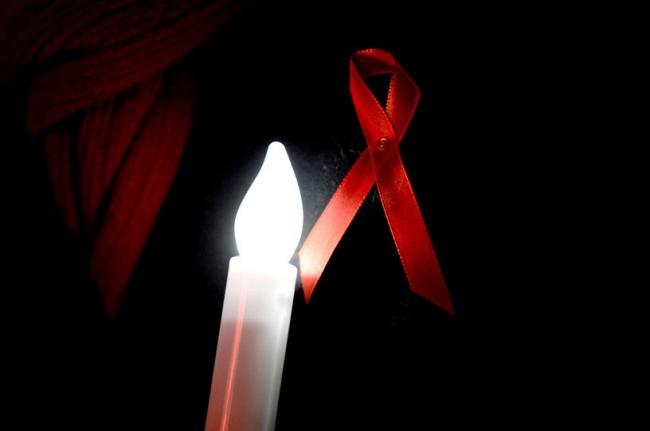
Photo: UNAIDS
Support Our Journalism
We cannot do without you.. your contribution supports unbiased journalism
IBNS is not driven by any ism- not wokeism, not racism, not skewed secularism, not hyper right-wing or left liberal ideals, nor by any hardline religious beliefs or hyper nationalism. We want to serve you good old objective news, as they are. We do not judge or preach. We let people decide for themselves. We only try to present factual and well-sourced news.
Support objective journalism for a small contribution.


