


UN health agency urges speeding up efforts on noncommunicable diseases
Without greater effort, the majority of countries will also fail to meet their Sustainable Development Goals (SDGs) of reducing premature mortality from noncommunicable diseases by one-third.
The findings come from the World Health Organization’s (WHO) global survey, “Assessing national capacity for the prevention and control of non-communicable diseases”.
“Countries, including some of the poorest, are showing it is feasible to make progress and reduce premature deaths from NCDs,” said Dr. Oleg Chestnov, WHO Assistant Director-General.
Some countries have put measures into place protective measures, which include taxing tobacco and alcohol.
“But that progress, particularly in low and middle-income countries, is insufficient and uneven,” Dr. Chestnov concluded.
WHO based its findings on four time-bound commitments, such as whether countries set national NCD reduction targets or developed policies and plans for how to achieve those targets.
To date, 60 per cent of countries have set national time-bound targets for NCDs indicators and 92 per cent have integrated them into national health plans.
Among its recommendations, WHO suggests that greater attention be paid to policymaking in non-health sectors, such as trade and marketing of unhealthy or harmful products.
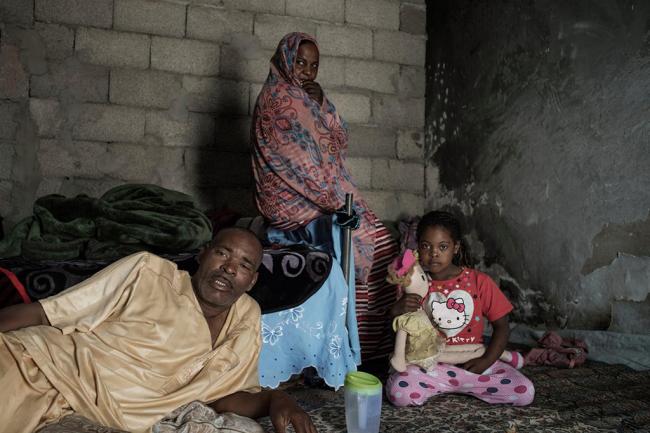
Photo: UNICEF/ Romenzi
Source: www.justearthnews.com
Support Our Journalism
We cannot do without you.. your contribution supports unbiased journalism
IBNS is not driven by any ism- not wokeism, not racism, not skewed secularism, not hyper right-wing or left liberal ideals, nor by any hardline religious beliefs or hyper nationalism. We want to serve you good old objective news, as they are. We do not judge or preach. We let people decide for themselves. We only try to present factual and well-sourced news.
Support objective journalism for a small contribution.


