October 09, 2026 04:13 pm (IST)

Follow us:


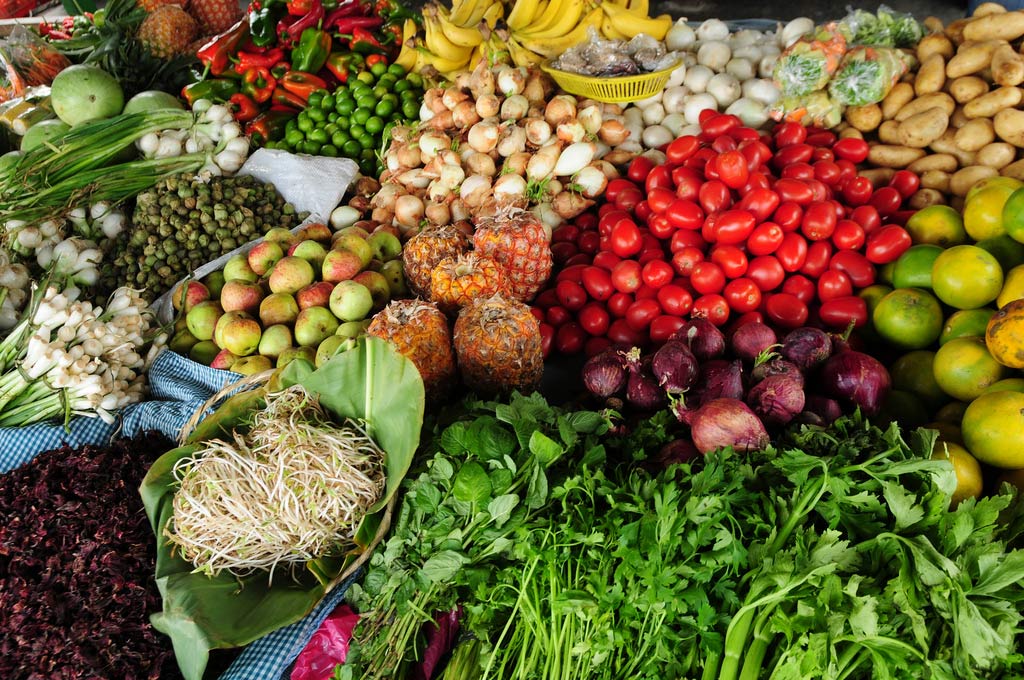
UN urges governments to buy local food in public projects
New York, May 16 (IBNS): Public procurement can contribute to making food systems more fair and sustainable, and help realize the human right to adequate food, according to a United Nations independent expert.
“When sourcing food for schools, hospitals and public administrations, Governments have a rare opportunity to support more nutritious diets and more sustainable food systems in one fell swoop,” Olivier De Schutter said in his final publication to the UN Human Rights Council as the UN Special Rapporteur on the right to food.
“Governments have few sources of leverage over increasingly globalized food systems – but public procurement is one of them,” he concluded, adding that Organisation for Economic Co-operation and Development (OECD) countries spend an average of 12 per cent of their Gross Domestic Products (GDP) on public procurement.
In his report, De Schutter identified five principles for how Governments should use their public procurement.
He recommends buying locally, and ideally, from small-scale food producers, guaranteeing living wages and fair prices. In addition, he highlights setting specific requirements for adequate food diets, and increasing participation and accountability in the food system.
“It may cost Governments slightly more to source from a range of smaller-scale, sustainable operators than from major suppliers, but the investment is worth it,” the Special Rapporteur said.
For example, data on United Kingdom school feeding programmes suggests a return of 3-to-1 for additional spending on sustainable and local procurement.
Another study estimates that the total benefits of supplying 50 million African school-children with locally produced food could reach around USD 1.6 billion per year.
Independent experts or special rapporteurs are appointed by the Geneva-based UN Human Rights Council to examine and report back, in an unpaid capacity, on specific human rights themes.
(Photo: World Bank/Maria Fleischmann)
Support Our Journalism
We cannot do without you.. your contribution supports unbiased journalism
IBNS is not driven by any ism- not wokeism, not racism, not skewed secularism, not hyper right-wing or left liberal ideals, nor by any hardline religious beliefs or hyper nationalism. We want to serve you good old objective news, as they are. We do not judge or preach. We let people decide for themselves. We only try to present factual and well-sourced news.
Support objective journalism for a small contribution.



Latest Headlines
‘Crash axe’ blow fractured Smit Machchhar’s skull: Shocking details emerge from flydubai cockpit horror
Tue, Oct 06 2026
Israel was ready to shoot down Flydubai jet if it kept flying towards Tel Aviv: Reports
Tue, Oct 06 2026
Three Indian sailors safe after cargo ship struck and sunk off Romania in Black Sea attack; two dead
Mon, Oct 05 2026
‘Stomp on your head’: Omani flydubai co-pilot’s chilling posts on violence against women surface
Mon, Oct 05 2026