


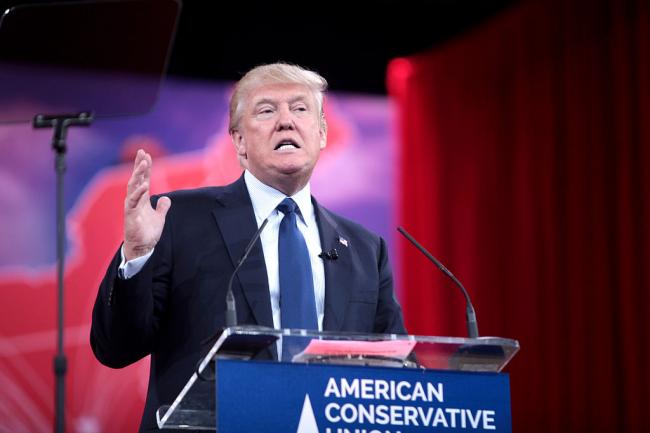
US Presidential Polls: Trump wins Ohio, surges ahead
Trump now leads Clinton 232-209, according to CNN.
An election for President of the United States occurs every four years on Election Day, held the first Tuesday after the first Monday in November.
The election process begins with the primary elections and caucuses and moves to nominating conventions, during which political parties each select a nominee to unite behind.
The nominee also announces a Vice Presidential running mate at this time.
The candidates then campaigned across the country to explain their views and plans to voters and participate in debates with candidates from other parties.
During the general election, Americans head to the polls to cast their vote for President. But the tally of those votes—the popular vote—does not determine the winner. Instead, Presidential elections use the Electoral College.
To win the election, a candidate must receive a majority of electoral votes.
In the event no candidate receives the majority, the House of Representatives chooses the President and the Senate chooses the Vice President.
A candidate needs the vote of at least 270 electors—more than half—to win the Presidential election.
Support Our Journalism
We cannot do without you.. your contribution supports unbiased journalism
IBNS is not driven by any ism- not wokeism, not racism, not skewed secularism, not hyper right-wing or left liberal ideals, nor by any hardline religious beliefs or hyper nationalism. We want to serve you good old objective news, as they are. We do not judge or preach. We let people decide for themselves. We only try to present factual and well-sourced news.
Support objective journalism for a small contribution.


