


 US Secretary
US Secretary of Commerce calls China principal military, economic threat in Asia
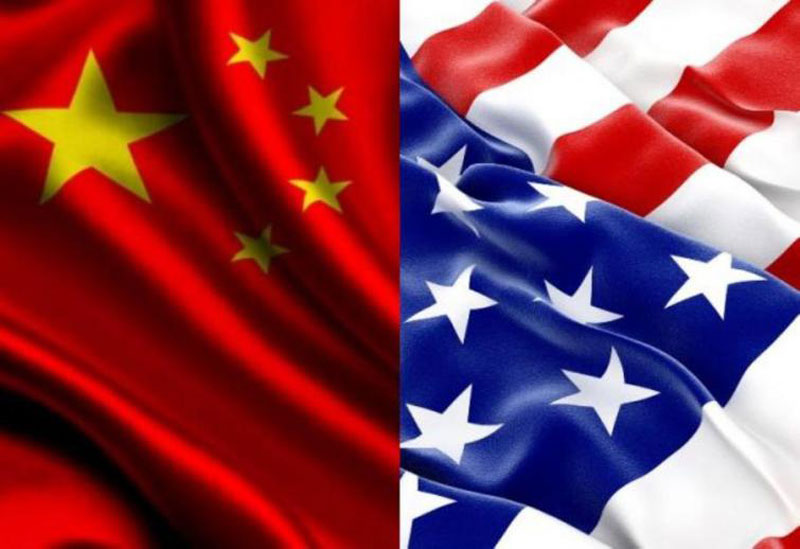
Washington/Sputnik: US Secretary of Commerce Wilbur Ross on Tuesday described China as the main military and economic threat in the Asian region, chiding it for alleged non-compliance with international trade rules.
According to the CNBC broadcaster, while speaking at the Milken Institute Asia Summit, which is being held both online and in Singapore this year, the secretary noted that Beijing accounts for 210 out of 539 countervailing duty orders issued by Washington.
"China continues to be both the largest potential market and the principal military and economic threat in the region," Ross said at the summit, as quoted by CNBC.
The US official also criticized the recently signed Regional Comprehensive Economic Partnership (RCEP) between China and 14 other Asian-Pacific countries, stating that it will not deal with the most sensitive trade issues, such as state-owned businesses, intellectual property protection and equal access to markets.
Under US President Donald Trump's administration, US-China relations have significantly deteriorated, with one of Washington's chief complaints against Beijing being its alleged unfair economic practices.
In November, China signed the RCEP with other Asia-Pacific economies to promote free trade in the region.
Support Our Journalism
We cannot do without you.. your contribution supports unbiased journalism
IBNS is not driven by any ism- not wokeism, not racism, not skewed secularism, not hyper right-wing or left liberal ideals, nor by any hardline religious beliefs or hyper nationalism. We want to serve you good old objective news, as they are. We do not judge or preach. We let people decide for themselves. We only try to present factual and well-sourced news.
Support objective journalism for a small contribution.


