 Social Media
Meta, TikTok and YouTube to pay millions after Kentucky school district's explosive lawsuit. All details inside
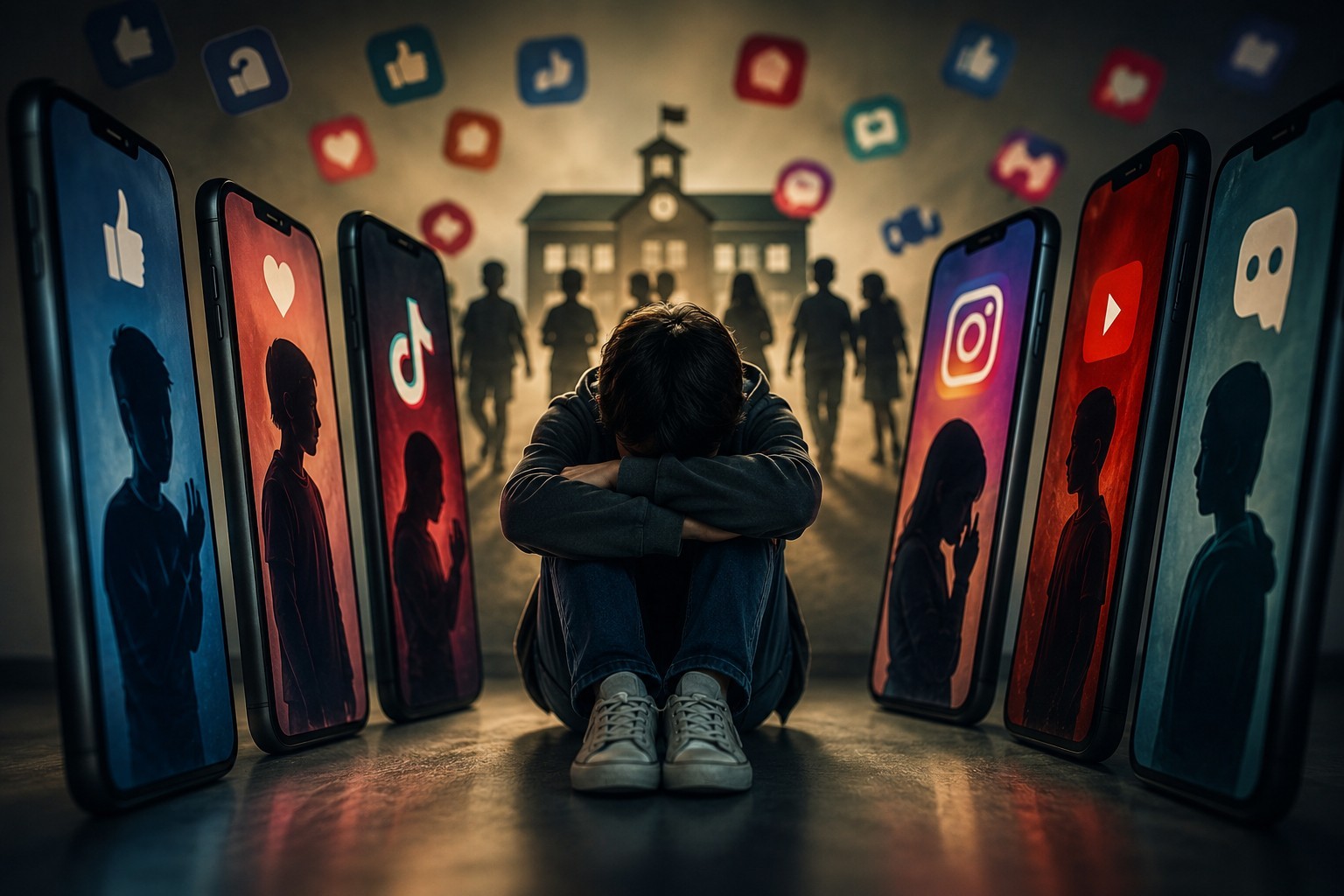
Several major social media companies, including TikTok, Meta and YouTube, have agreed to pay a combined $27 million (approximately ₹224 crore) to settle a lawsuit filed by a rural school district in Kentucky that alleged their platforms were intentionally designed to be addictive and contributed to a teen mental health crisis.
According to a report by Bloomberg, Meta Platforms Inc., the parent company of Facebook and Instagram, will pay $9 million—more than any other company involved in the settlement. Snap Inc., the owner of Snapchat, and TikTok have each agreed to pay $8 million, while Google's YouTube will contribute slightly more than $2 million.
In addition to its financial settlement, YouTube has also agreed to provide training programs to help teachers make better educational use of its video platform in classrooms.
The settlement amount is significant for the Breathitt County School District, which brought the lawsuit. The district's annual budget is approximately $25 million, making the one-time payout about 8% higher than its yearly spending.
Potential Signal for Broader Settlements
The Breathitt County case was reportedly selected as a test case among more than 1,000 U.S. school districts pursuing similar claims against social media companies. The settlement could indicate that the tech firms are willing to negotiate broader agreements with other districts.
According to Bloomberg Intelligence, the collection of lawsuits could expose social media companies to as much as $400 billion in potential liability.
Growing Legal Challenges
The Kentucky settlement comes amid increasing legal scrutiny of social media platforms and their impact on young users.
Earlier this year, Meta and YouTube lost a lawsuit in Los Angeles brought by a 20-year-old woman, identified as Kaley, who claimed the companies were responsible for her childhood addiction to social media. A jury awarded her $6 million (£4.5 million) in damages after agreeing that the platforms had been intentionally designed in ways that harmed her mental health, according to the BBC.
Meta has defended its efforts to protect younger users. A company spokesperson previously told the BBC that Meta remains "focused on our longstanding work to build protections like Teen Accounts that help teens stay safe online, while giving parents simple controls to support their families."
The company launched Instagram Teen Accounts two years ago as part of its effort to provide additional safeguards for adolescent users.
However, the Tech Transparency Project recently reported that despite Meta's promotion of Teen Accounts, the feature has not fully prevented young users from being exposed to content related to sex, drugs and violence.
UN Calls for Safer Platforms, Not Just Bans
The developments come as the United Nations human rights office has urged governments and technology companies to do more to protect children online.
On Friday, the UN released a 10-point framework titled Getting Children's Safety Online Right, warning that simply blocking children from social media is not an effective long-term solution.
UN High Commissioner for Human Rights Volker Türk said the dangers children face online—from addictive platform designs to privacy violations—are not unavoidable but stem from deliberate commercial decisions.
"Online harms to kids' safety, privacy and wellbeing result from design choices and business practices that undermine safety, including addictive design features such as infinite scroll, autoplay and persistent notifications," Türk said.
The guidelines arrive as age-based social media restrictions continue to spread globally. Australia banned children under 16 from using social media platforms in December 2025, while Indonesia and Malaysia have introduced similar measures. More than a dozen other countries are reportedly considering comparable restrictions.
Türk cautioned that such bans can often be circumvented and may push children toward less regulated online spaces.
"Simply limiting access to platforms that remain unsafe cannot stand as the endpoint," he said.
Calls for Stronger Safeguards
Peggy Hicks, Director of Thematic Engagement and Special Procedures at the UN Human Rights Office, said technology companies now face a clear choice.
"Change how their platforms are designed and operated to better protect children's rights and safety—or be forced to do so through increasingly restrictive legislation and regulatory fines," she said.
The UN framework recommends embedding child safety into platform design from the outset, conducting mandatory child-rights impact assessments, implementing carefully regulated age-verification systems, and consulting children when developing online safety policies.
Hicks also stressed that rapidly evolving technologies, including artificial intelligence and chatbots, require flexible and evidence-based regulation.
"We need to collect the evidence and adapt quickly to what we learn," she said.
The Kentucky settlement and growing international pressure highlight the mounting challenges facing social media companies as regulators, schools, parents and courts increasingly demand accountability for the impact of digital platforms on children's mental health and wellbeing.
Support Our Journalism
We cannot do without you.. your contribution supports unbiased journalism
IBNS is not driven by any ism- not wokeism, not racism, not skewed secularism, not hyper right-wing or left liberal ideals, nor by any hardline religious beliefs or hyper nationalism. We want to serve you good old objective news, as they are. We do not judge or preach. We let people decide for themselves. We only try to present factual and well-sourced news.
Support objective journalism for a small contribution.