 SCO
SCO
India withholds endorsement of SCO declaration over the omission of Pahalgam terror strike
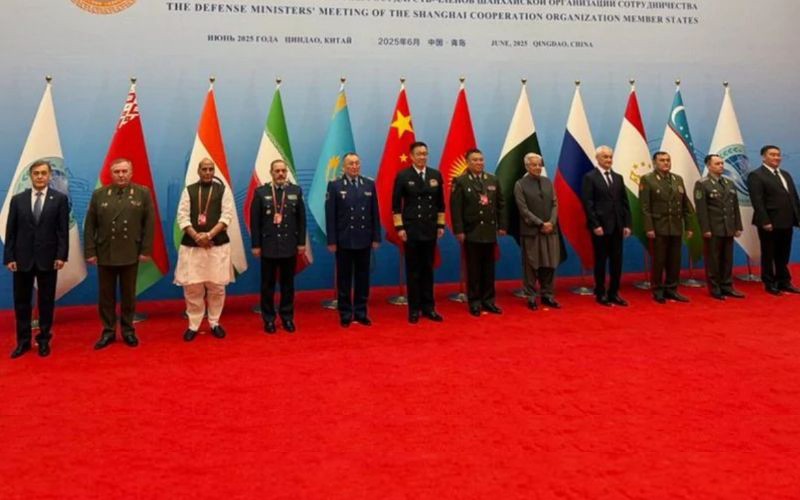
In a significant diplomatic development, Defence Minister Rajnath Singh declined to endorse a joint declaration on terrorism at the Shanghai Cooperation Organisation (SCO) Defence Ministers’ meeting on Tuesday, objecting to the omission of the recent terror attack in Pahalgam, Jammu and Kashmir.
The draft statement, meant to reflect the collective stance of SCO members on counterterrorism, failed to acknowledge the Pahalgam incident—an omission India considers deliberate and politically motivated. The attack, which New Delhi blames on Pakistan, remains a flashpoint in India’s broader campaign against what it sees as Islamabad’s continued support for cross-border terrorism.
Sources within the Indian delegation confirmed that the draft declaration proposed by the current SCO chair, China, focused on other regional incidents—including the hijacking of the Jaffar Express in Balochistan—but deliberately excluded Pahalgam. India strongly objected to what it views as selective recognition of terrorism, prompting the withholding of the final document.
“India’s position is clear and consistent: terrorism in all its forms must be condemned and confronted, without exception,” a source familiar with the matter said.
In his address to the forum, Rajnath Singh made veiled but pointed remarks, asserting that some nations continue to use terrorism as a policy tool while providing safe havens to extremists. Though he did not name Pakistan directly, the message was unmistakable. Singh further called for a unified approach to counterterrorism, urging member states to rise above “double standards.”
“There can be no justification for terrorism, nor should it be compartmentalised for geopolitical convenience,” Singh emphasized. “We face complex threats—from transnational terrorism and cyber-attacks to hybrid warfare. These challenges transcend borders and demand transparency, mutual trust, and collaboration.”
India also raised concerns about the increasing use of advanced technology by terror outfits, including drones for smuggling weapons and narcotics across borders. Singh urged for stronger international cooperation to counter the radicalisation of youth and disrupt these sophisticated operations.
Pakistan’s Defence Minister, Khawaja Asif, was present at the summit, but no bilateral interaction took place between the two ministers, according to Indian officials.
The refusal to sign the joint declaration underscores India’s growing insistence on a consistent and inclusive global counterterrorism narrative. New Delhi has repeatedly rejected Islamabad’s claims of Indian involvement in unrest in Balochistan, arguing that Pakistan must look inward and cease support for militant groups operating in the region.
The SCO, founded in 2001, comprises 10 member states including China, Russia, India, and Pakistan. The bloc aims to foster regional peace and security through collective dialogue and cooperation. However, this recent episode reveals underlying tensions and the challenges of forging consensus on key security issues.
As the Qingdao summit progresses, observers say India’s firm stance could set the tone for future engagements—where political sensitivities must not override the collective goal of confronting terrorism in all its forms.
(Text and image credit: Khalsavox.com)
Support Our Journalism
We cannot do without you.. your contribution supports unbiased journalism
IBNS is not driven by any ism- not wokeism, not racism, not skewed secularism, not hyper right-wing or left liberal ideals, nor by any hardline religious beliefs or hyper nationalism. We want to serve you good old objective news, as they are. We do not judge or preach. We let people decide for themselves. We only try to present factual and well-sourced news.
Support objective journalism for a small contribution.