


UN agencies launch new standards to improve adolescent care worldwide
“These standards provide simple yet powerful steps that countries – both rich and poor – can immediately take to improve the health and wellbeing of their adolescents,” said Dr. Anthony Costello, Director of Maternal, Children’s and Adolescents’ Health at WHO, in apress release.
WHO and UNAIDS are underlining that existing health services often fail the world’s adolescents, with many suffering from mental health disorders, substance use, poor nutrition, intentional injuries and chronic illness, while not having access to critical prevention and care services.
According to the UN, adolescents form a unique group, rapidly developing both physically and emotionally but are often dependent on their parents or guardians.
The Global Standards for quality health-care services for adolescents recommend making services more “adolescent friendly”, providing free or low-cost consultations, and making medically accurate age-appropriate health information available.
They also highlight the need for adolescents to be able to access services without necessarily having to make an appointment or requiring parental consent, safe in the knowledge that any consultation remains confidential, and certain that they will not experience discrimination.
“If we want to keep adolescents healthy, we have to treat them with respect,” Dr. Costello continued. “Adolescents are particularly vulnerable to certain health issues.”
The top three causes of death among adolescents are reportedly road traffic injuries, AIDS-related illnesses and suicide.
“AIDS is the leading cause of death among adolescents in Africa and the second primary cause of death among adolescents globally,” said Dr. Mariângela Simão, Director of Rights, Gender, Prevention and Community Mobilization at UNAIDS.
“All adolescents, including key populations, have a right to the information and services that will empower them to protect themselves from HIV.”
WHO and UNAIDS further note that not only is adolescence a period of life when people are particularly vulnerable to certain health issues, it is also a time when critical behaviours are shaped that will affect health in the future.
“So many behaviours – healthy or unhealthy – that impact the rest of our lives begin in adolescence,” Dr. Costello explained.
He said, “The health sector cannot stand there and tell people they are sick because of the ways they use tobacco and alcohol, and their attitudes to diet and exercise, if it does not do a better job of helping people develop healthy habits as adolescents.”
Meanwhile, Dr. Valentina Baltag, an adolescent health expert at WHO, said there are countries where every fifth citizen is an adolescent. “Yet most students in medical and nursing schools graduate with no understanding of the specific needs of adolescents in accessing healthcare. This is unacceptable,” she warned.
In light of all these issues, the Global Standards for quality health-care services for adolescents call for an inclusive package of information, counselling, diagnostic, treatment and care services that go beyond the traditional focus on sexual and reproductive health.
They also push for adolescents to be meaningfully involved in planning, monitoring and providing feedback on health services and in decisions regarding their own care.
The UN agencies have reported that more than 25 low and middle-income countries have already adopted national standards for improving adolescent health services, while their global standards are built on research from these countries, as well as feedback from health providers and more than 1000 adolescents worldwide.
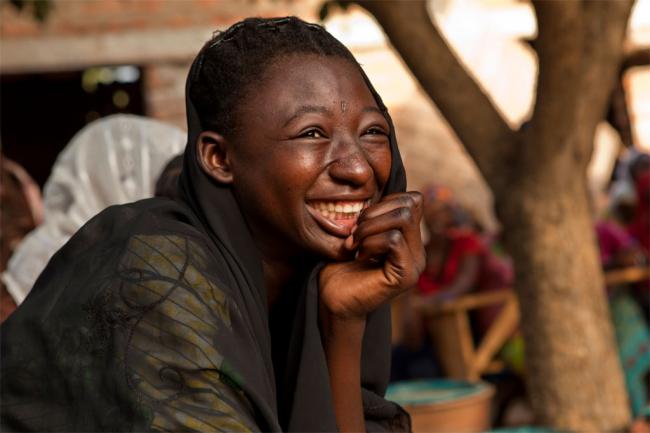
Photo: UNICEF/P. Esteve
Support Our Journalism
We cannot do without you.. your contribution supports unbiased journalism
IBNS is not driven by any ism- not wokeism, not racism, not skewed secularism, not hyper right-wing or left liberal ideals, nor by any hardline religious beliefs or hyper nationalism. We want to serve you good old objective news, as they are. We do not judge or preach. We let people decide for themselves. We only try to present factual and well-sourced news.
Support objective journalism for a small contribution.


