


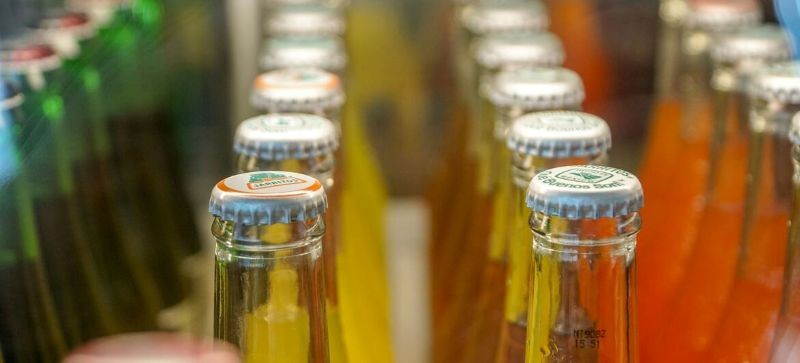
 Sugary Drink
WHO wants higher taxes on your soda, alcohol — says it will save millions of lives
Beverages like sugary drinks and alcohol are too accessible and cost too little in most of the world – helping fuel obesity, diabetes, cancer and injury, the World Health Organization (WHO) warned on Tuesday.
WHO is calling on governments to significantly increase taxes on sugary drinks and alcohol, as two new reports reveal that levies remain low across many regions.
“Health taxes have been shown to reduce consumption of these harmful products, helping to prevent disease and reduce the burden on health systems,” WHO Director-General Dr Tedros Adhanom Ghebreyesus told journalists virtually on Tuesday.
“At the same time, they generate an income stream that governments can use to invest in health, education and social protection.”
What are the findings?
Among other findings, the report on sugar-sweetened beverage taxes shows that while at least 116 countries tax sugary drinks – including sodas or carbonated canned drinks – other high-sugar products, such as 100 per cent fruit juices, sweetened milk drinks, and ready-to-drink coffees and teas, escape taxation.
The report on the use of alcohol taxes shows that although 167 countries levy taxes on liquor, wine and beer, alcohol has become more affordable or remained unchanged in price in most countries since 2022, as taxes don't get adjusted for inflation and income growth.
Why it matters
A cold and sweet pick-me-up from your local coffee shop on a hot day can have detrimental consequences, if consumed regularly.
The increased intake of sugary drinks is associated with:
Increased risks of excess weight and obesity
Type 2 diabetes
Cardiovascular disease
Other adverse effects including dental caries and osteoporosis
Similarly, the negative health impacts of alcohol include:
Increasing risks for maternal and child health
Exposure to communicable and noncommunicable diseases
Damage to mental health
Increasing the likelihood of injury to yourself and others
Increasing taxes on harmful beverages leads to fewer people consuming them.
To illustrate the success of this approach, WHO chief Tedros cited multiple examples including that of the UK, which introduced a tax on sugary drinks in 2018. This led to:
Reduced sugar consumption
A £338 million revenue increase in 2024 alone
Lower obesity rates in girls aged 10 and 11, especially in deprived communities
WHO is calling on governments to raise and redesign taxes as part of a new health initiative targeting tobacco use and excessive consumption of alcohol and sugary drinks.
Support Our Journalism
We cannot do without you.. your contribution supports unbiased journalism
IBNS is not driven by any ism- not wokeism, not racism, not skewed secularism, not hyper right-wing or left liberal ideals, nor by any hardline religious beliefs or hyper nationalism. We want to serve you good old objective news, as they are. We do not judge or preach. We let people decide for themselves. We only try to present factual and well-sourced news.
Support objective journalism for a small contribution.


